Explore
Eirik Alfstad Johansen
I build visual surfaces where people can play, discover, and explore ideas — together with others.
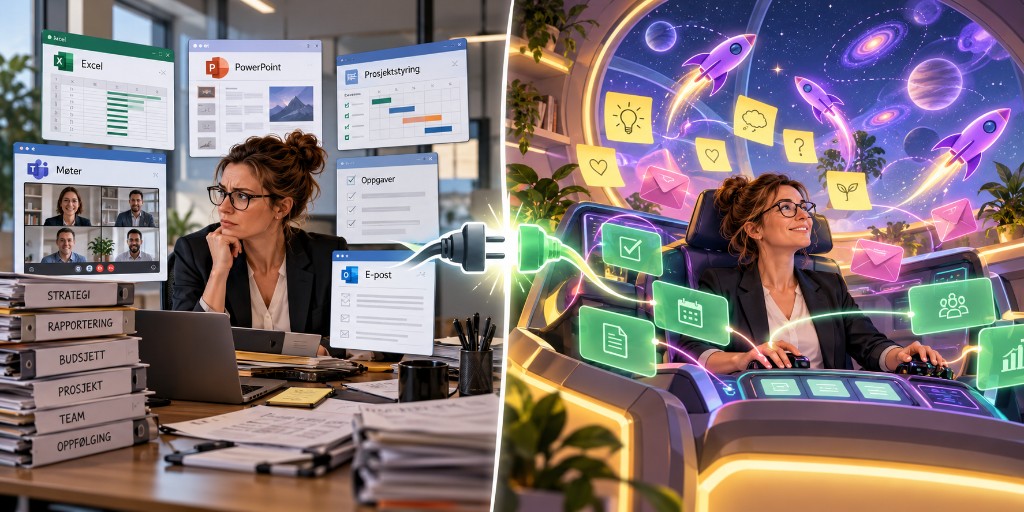
People need structure. But structure can also be very difficult to receive. It can feel limiting, confining and like it deprives us of autonomy.
I strive to make structure feel enveloping, nurturing and enabling of flow. It should feel less like a scattered set of boxes you have to fit into — and more like a cockpit for movement.
Pieces are the building blocks of the games I make.
Pieces can be placed, ordered, stacked and shifted around.
They are a great tool for bringing awareness of what you want to bring into your world, while still feeling like you remain in control of movement.
I build visual surfaces. Surfaces are dynamic structures which allow you to move things around.
They function as a playpen for play. Different surfaces are intended for different things, and give you a different perspective on the pieces of your life.
Here are some examples of different types of surfaces:
A placement surface lets you set things down so you can get a little distance from them and think about how you want to relate to them.
Pour out what you see and understand about the universes you move in and the pieces that belong there.
A table surface lets you bring forward, sort, and orient yourself among the pieces you have gathered — so it becomes clearer where they belong and what you want to do with them.
Lay out what you have gathered and see how things connect.
A connection surface lets you shift where you look from, so the same pieces show different relationships.
See how the pieces connect, and link them to each other.
An organizational surface lets you give things a place in a larger terrain, so you can get belonging and overview without flattening everything into one pile.
See the landscape as a whole and where the various pieces belong.
A perspective surface turns the same table into a hex landscape — paint ground, place pieces, and walk the board as near and far terrain.
Draw out the path, place the pieces, and walk around to see what blocks and enables movement.
When I do my job right, structure feels chosen and supportive.
It feels like it allows the placement of complicated and unstructured things outside of oneself, in order to manage movement in a more sustainable way.

Want to play with me?
Get in touch!